
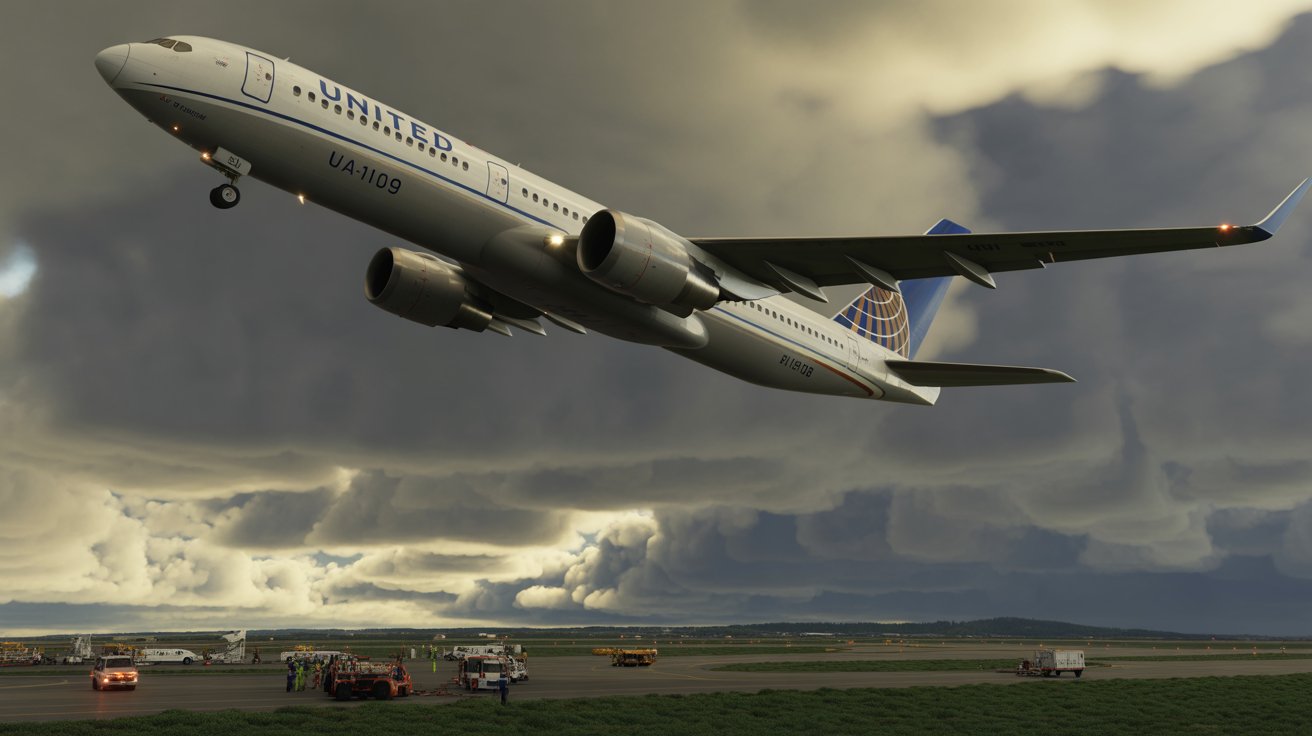
United Flight UA109 Diversion is one of the recent incidents that highlights the critical importance of aviation safety. In the realm of commercial aviation, the safety of passengers and crew is always the highest priority. Despite air travel being statistically one of the safest modes of transportation, unforeseen events can arise, requiring immediate and decisive action from flight crews. This particular diversion has drawn significant attention from travellers, aviation professionals, and industry analysts.
Exhaustive exploration of the event, including the circumstances that led to the diversion, the procedures undertaken, the passenger experience, and the broader implications for aviation safety.
Flight Overview: Understanding United Flight UA109
United Flight UA109 is a regular service operated by United Airlines, connecting Munich Airport (MUC) in Germany to Washington Dulles International Airport (IAD) in the United States. The flight on the day of the incident was scheduled as a long-haul transatlantic journey, operated using a Boeing 787‑8 Dreamliner, which is specifically designed for extended flights over oceans with advanced safety and operational systems.
The flight had over 200 passengers on board, along with the cabin and cockpit crew trained to handle standard operations and unexpected events. While most flights proceed without incident, the United Flight UA109 Diversion demonstrates how even routine journeys require vigilance, preparation, and rapid decision-making.
The Incident: What Led to the United Flight UA109 Diversion
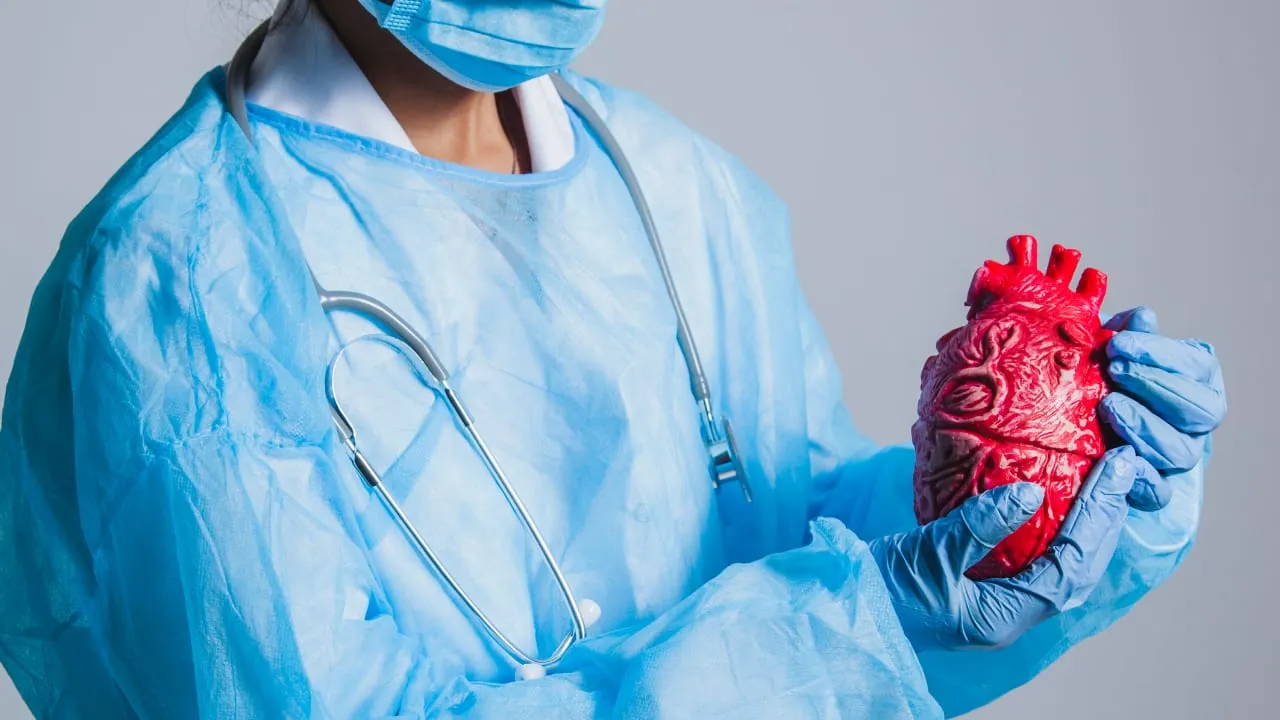
During the flight, approximately midway across the North Atlantic, the crew identified a medical emergency involving a crew member, which required immediate attention. While the exact nature of the emergency was not disclosed for privacy reasons, it was severe enough to justify a precautionary diversion.
Additionally, the pilot and crew followed strict aviation protocols, prioritising passenger and crew safety over schedule adherence or operational convenience. Based on these guidelines, the decision was made to divert the aircraft to the nearest suitable airport, which in this case was Dublin Airport (DUB) in Ireland. Dublin’s geographic position along transatlantic routes and its well-equipped medical facilities make it a frequent alternate airport for diversions like this.
The decision-making process during such events is complex. Pilots must consider multiple factors, including the health of the affected individual, aircraft fuel levels, weather conditions, available airports, and air traffic constraints. The rapid assessment and execution of the United Flight UA109 diversion exemplifies the efficacy of aviation training and operational procedures.
Safety Procedures During the Diversion
Flight diversions are not spontaneous; they involve a series of coordinated steps to ensure safety, both in the air and on the ground. In the case of the United Flight UA109 Diversion, several procedures were enacted immediately after the emergency was identified:
Communication with Passengers
The captain informed passengers of the situation, explaining that the diversion was due to a medical emergency. Flight attendants provided additional guidance, reassured passengers, and addressed questions about the procedure. Clear and timely communication is essential in managing passenger anxiety during diversions.
Coordination with Air Traffic Control
Additionally, pilots worked closely with air traffic control to identify the most suitable alternate airport. Controllers supplied up-to-date information on weather, runway availability, and emergency services at potential landing sites. Dublin was selected as it could accommodate the aircraft and provide immediate medical assistance.
Crew Response on United Flight UA109 Diversion
Cabin crew administered first aid to the affected crew member, monitored the condition of other passengers, and prepared the cabin for landing. Training in emergency protocols allowed the crew to manage the situation efficiently and maintain order within the aircraft.
Ground Support Readiness
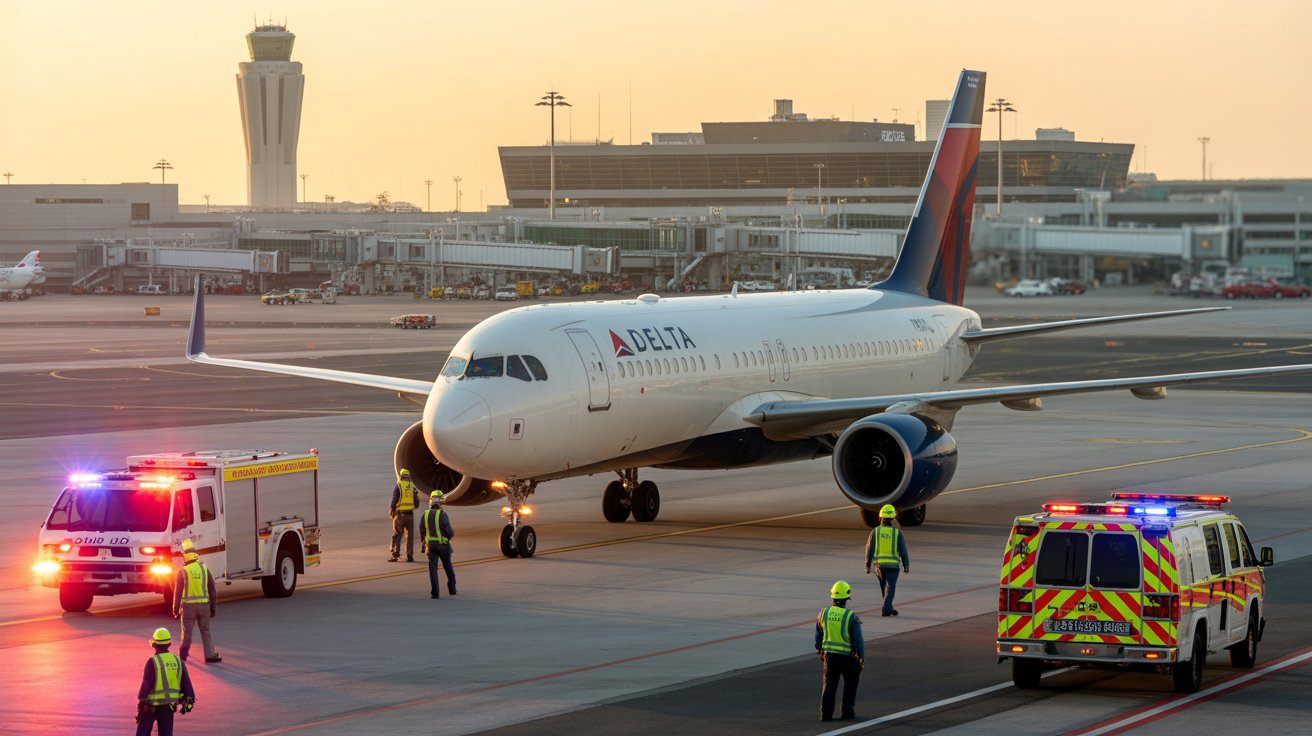
Dublin Airport ground personnel, including paramedics and logistical teams, were notified in advance. Emergency vehicles and medical equipment were ready for immediate response upon landing, ensuring that the affected crew member received prompt attention.
Timeline of the United Flight UA109 Diversion
A chronological look at the incident illustrates the complexity and coordination required for a successful diversion:
- Takeoff: UA109 departed Munich on its scheduled route to Washington Dulles. Passengers expected a routine transatlantic flight.
- Emergency Identified: Approximately midway over the North Atlantic, a crew member experienced a medical emergency that required urgent attention.
- Decision to Divert: The pilot evaluated the situation and selected Dublin Airport as the safest diversion option.
- Passenger Communication: The captain and flight attendants informed passengers, providing reassurance and instructions for landing.
- Flight Path Adjustment: The aircraft executed a U-turn and altered its trajectory toward Dublin.
- Landing: UA109 touched down safely at Dublin, where medical personnel attended to the crew member.
- Post-Landing Operations: Passengers were offered support, including refreshments, accommodations, and updates on onward travel.
- Continuation: After ensuring the aircraft was cleared and the situation resolved, UA109 continued its journey to Washington Dulles, arriving with only minor delays.
This timeline underscores the rapid yet coordinated response that is characteristic of well-trained airline operations.
Passenger Experience During United Flight UA109 Diversion
For passengers, a flight diversion can be unsettling, especially when the reason is not immediately apparent. Additionally, in the United Flight UA109 Diversion, initial anxiety and speculation were mitigated by clear communication from the flight crew. Passengers were informed that the diversion was due to a medical emergency rather than mechanical issues or pilot error.
Flight attendants played a critical role in maintaining calm, assisting passengers with seat adjustments, safety instructions, and reassurance. Airlines often provide additional support during diversions, such as refreshments, accommodation arrangements, and updates on onward flights, which further enhance passenger experience despite the disruption.
Common Causes of Flight Diversions
While the United Flight UA109 Diversion was caused by a medical emergency, diversions can occur for various reasons:
- Medical Emergencies: Situations involving passengers or crew that require immediate attention.
- Technical or Mechanical Issues: Malfunctions in aircraft systems that could jeopardize safety.
- Weather Conditions: Severe turbulence, storms, or unsafe landing conditions at the destination.
- Security Concerns: Threats or suspicious activity that necessitate immediate action.
- Operational Constraints: Airport congestion, runway closures, or logistical issues at the original destination.
In all cases, the guiding principle is safety first, even if it results in delays or rerouted flights.
Crew Training and Emergency Management
The United Flight UA109 Diversion highlights the critical importance of crew training in handling in-flight emergencies. Flight crews undergo rigorous preparation to manage medical crises, mechanical failures, and security threats. Key competencies include:
- Rapid assessment of the emergency.
- Effective communication with passengers and colleagues.
- Coordination with air traffic control and ground teams.
- Administering first aid and stabilising the situation until medical personnel can intervene.
The swift and coordinated response in the UA109 case demonstrates how crew training directly contributes to passenger safety and operational efficiency.
Broader Implications for Aviation Safety
United Flight UA109 Diversion provide valuable lessons for the aviation industry:
Safety Protocols:
Reinforcing and regularly updating safety protocols ensures that airlines are always prepared for unexpected events. These protocols guide pilots, crew, and ground staff in responding efficiently to emergencies, from medical situations to mechanical issues, helping minimize risks and maintain passenger safety.
Communication Systems:
Transparent and timely communication is essential during any in-flight incident. By keeping passengers informed and maintaining constant contact between the cockpit, cabin crew, and ground teams, airlines can reduce confusion, manage anxiety, and coordinate emergency responses more effectively.
Preparedness for Emergencies and United Flight UA109 Diversion:
Even routine flights can face sudden challenges, making preparedness crucial. Airlines equip crews with comprehensive training, emergency tools, and contingency plans to handle medical emergencies, technical malfunctions, or adverse weather conditions, ensuring quick and safe resolutions.
Passenger Awareness:
Educating travellers about safety procedures and in-flight protocols fosters confidence and trust. When passengers understand what to expect during emergencies or diversions, they are more likely to remain calm, follow instructions, and cooperate with crew members, improving overall safety outcomes.
Post-Diversion Operations
After a United Flight UA109 Diversion, several critical steps ensure passenger satisfaction and safety:
| Post-Diversion Operation | Description |
| Medical Care | Immediate attention is provided to the affected individual. |
| Passenger Assistance | Airlines arrange onward travel, accommodations, and updates on schedules. |
| Aircraft Inspection | The diverted aircraft is checked to ensure it is safe to continue the flight. |
| Operational Coordination | Ground teams coordinate with airline operations to minimize further disruption. |
The United Flight UA109 Diversion showcases how comprehensive planning and coordination extend beyond in-flight decisions to post-landing operations, ensuring a seamless experience despite the unexpected event.
Lessons Learned
The incident underscores several key takeaways:
- Decisive Leadership: Quick decision-making by the pilot prevented escalation of the medical emergency.
- Crew Coordination: Moreover, effective teamwork between pilots and flight attendants ensured passenger safety.
- Passenger Communication: Maintaining transparency helped manage anxiety and maintain trust.
- Preparedness: Training and emergency protocols allowed for an orderly and controlled response.
These lessons are not only relevant for United Airlines but also serve as benchmarks for the entire aviation industry.
Conclusion
The United Flight UA109 Diversion provides a compelling case study in the importance of safety, preparedness, and communication in aviation. While diversions may cause temporary inconvenience, they underscore the industry’s commitment to prioritizing human life above all else.
Key points highlighted by this incident include:
- Safety and well-being are always the highest priorities.
- Crew training and emergency preparedness are critical for handling unforeseen events.
- Clear communication with passengers mitigates panic and maintains confidence.
- Continuous evaluation of protocols and procedures strengthens aviation safety.
As air travel continues to grow globally, the lessons from the United Flight UA109 Diversion emphasize that safety is dynamic and constantly evolving. Airlines, crew members, and passengers alike benefit from these experiences, reinforcing trust in air travel and improving outcomes in future emergencies.
FAQs About United Flight UA109 Diversion
Why was United Flight UA109 diverted?
United Flight UA109 was diverted due to a medical emergency onboard. The flight crew determined that immediate attention was required, and the nearest suitable airport for safe landing was selected to ensure the well-being of the affected individual.
How do airlines handle diversions like UA109?
Airlines follow strict emergency and diversion protocols. The crew communicates with passengers, coordinates with air traffic control, prepares the cabin for landing, and ensures ground support is ready to provide medical assistance and logistical support upon arrival.
What support do passengers receive during diversions?
Passengers affected by diversions are typically provided with refreshments, accommodation if needed, rebooking for onward travel, and regular updates on the flight status. Flight attendants also assist in addressing concerns and maintaining safety throughout the process.
Are diversions common in commercial aviation?
While most flights operate without incident, diversions occur occasionally for medical emergencies, technical issues, weather conditions, security concerns, or operational constraints. Diversions are precautionary measures aimed at ensuring passenger and crew safety.
Disclaimer:
This article is intended for informational and educational purposes only. The details provided about the United Flight UA109 Diversion are based on verified reports and general aviation practices. While every effort has been made to ensure accuracy, flight operations and events may vary, and circumstances described may not reflect all aspects of the incident. The content does not constitute official advice from United Airlines or any aviation authority. Passengers are encouraged to rely on official airline communications and authorized sources for the most current and accurate information regarding flights and diversions.









Leave a Reply