
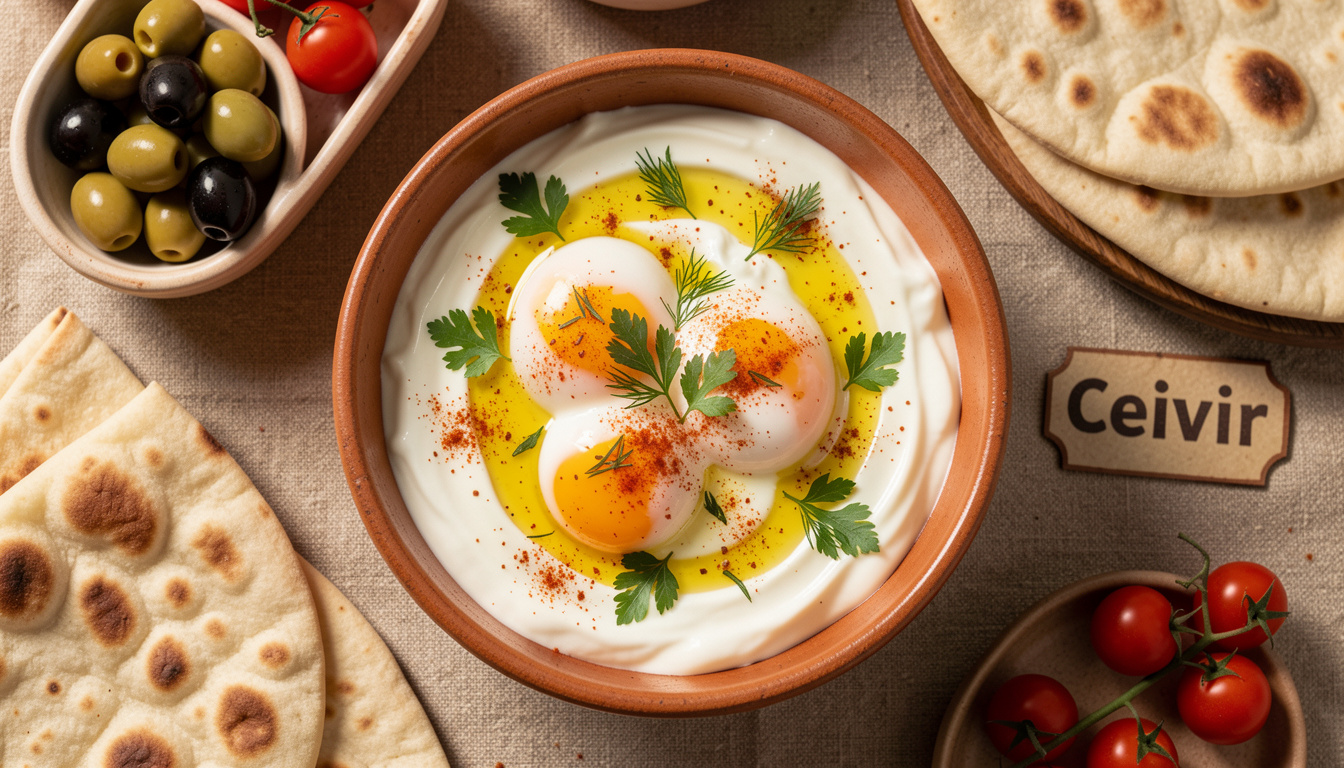
Ceıvır, often overlooked outside Turkey, is a culinary treasure with deep roots in tradition and broad potential in modern cooking. It combines simplicity with sophistication, offering a taste experience that is at once comforting and exciting.
At its core, it is an ingredient or dish that emphasizes natural flavors and wholesome ingredients. Its adaptability allows it to shine in traditional Turkish meals as well as in experimental modern cuisine. Whether you are a home cook seeking to diversify your kitchen or a professional chef exploring new flavors, Ceıvır offers a versatile platform for culinary creativity.
History and Cultural Background
Its roots trace back centuries to rural Anatolia, the heartland of traditional Turkish cooking. Its name is derived from the Turkish word “çevir,” which means “to turn” or “to transform.” This reflects the way simple, locally available ingredients are transformed into a rich and flavorful dish through careful preparation and cooking.
Historically, Ceıvır was a staple for farmers and laborers. After long days of physical work, a meal that was both nutritious and satisfying was essential. The combination of protein-rich eggs or meat with dairy, vegetables, and grains provided sustenance, energy, and comfort.
Cultural Significance
It has always represented more than just food; it embodies Turkish hospitality and community. Preparing and sharing Ceıvır is often a gesture of warmth and generosity, reflecting the cultural emphasis on communal dining and family bonding.
- Hospitality: Serving it to guests symbolizes welcome and respect.
- Celebrations: Traditionally featured during family gatherings, special occasions, and seasonal festivals.
- Storytelling Through Food: Recipes were passed down orally, preserving local traditions, techniques, and flavors.
Unlike internationally famous dishes such as kebabs or baklava, Ceıvır remains a symbol of authentic domestic Turkish cuisine—a meal rooted in tradition, yet capable of evolving with time.
Flavor Profile and Characteristics of Ceıvır
Its charm lies in its unique flavor and texture, which make it both comforting and versatile.
Taste and Texture
- Earthy and Rich: Ceıvır often incorporates ingredients that provide a naturally deep, savory taste.
- Creamy and Tangy: When prepared with yogurt, it offers a smooth, tangy base that balances richness.
- Spiced and Aromatic: Herbs and spices like paprika, cumin, and fresh dill provide aromatic complexity.
- Textural Contrast: Poached eggs, nuts, and vegetables create layers of soft, crunchy, and tender textures.
Whether served traditionally or integrated into modern dishes, Ceıvır delivers a multidimensional flavor experience that appeals to a wide audience.
Nutritional and Health Benefits of Ceıvır
It is not only a culinary delight but also a nutrient-dense option that promotes health and well-being. Its nutritional profile depends on the preparation method, but key benefits include:
Key Nutrients
- Protein: Eggs, legumes, or meat provide high-quality protein essential for muscle growth, repair, and sustained energy.
- Probiotics: Yogurt contributes beneficial bacteria that support gut health and digestion.
- Vitamins and Minerals: Ingredients in it supply calcium, vitamin B12, vitamin D, and phosphorus.
- Healthy Fats: Olive oil or nuts enhance the dish with heart-healthy fats.
- Low Carbohydrate Options: Suitable for low-carb or ketogenic diets when grains are limited.
Health Benefits Table
| Benefit | How Ceıvır Contributes |
| Digestive Health | Yogurt probiotics aid gut flora and improve nutrient absorption |
| Immune Support | Vitamins and minerals strengthen immune function |
| Sustained Energy | Protein and healthy fats provide long-lasting energy |
| Weight Management | Balanced macronutrients promote satiety |
| Anti-inflammatory Effects | Certain spices and nuts reduce inflammation |
These attributes make Ceıvır a wholesome choice for breakfast, brunch, or dinner, catering to both traditional diets and modern wellness-focused lifestyles.
Culinary Uses and Applications of Ceıvır
Its versatility is one of its defining features. It can be used as a main dish, an ingredient, or a garnish, seamlessly integrating into both traditional and modern recipes.
Traditional Preparations
The most iconic traditional preparation involves poached eggs atop creamy yogurt, often drizzled with spiced olive oil or butter.
Regional Variations in Turkey:
- Aegean Region:
- Uses fresh herbs like dill or mint for aromatic freshness.
- Occasional use of lemon juice for brightness.
- Uses fresh herbs like dill or mint for aromatic freshness.
- Eastern Anatolia:
- Incorporates spices and pepper flakes for warmth and intensity.
- Robust flavors complement the creamy yogurt base.
- Incorporates spices and pepper flakes for warmth and intensity.
- Central Anatolia:
- Served with pickled vegetables for acidity and crunch.
- Mild seasoning emphasizes the natural flavor of eggs and dairy.
- Served with pickled vegetables for acidity and crunch.
- Southeastern Turkey:
- May include crushed walnuts or pine nuts for texture.
- Olive oil infused with local spices enhances richness.
- May include crushed walnuts or pine nuts for texture.
Modern and Creative Uses
Chefs and home cooks are exploring Ceıvır’s potential beyond traditional recipes:
- Soups and Stews: Adds depth and complexity to broths.
- Grain Bowls: Mixed with quinoa, rice, or lentils for balanced meals.
- Salads: Roasted or marinated, it elevates flavor and texture.
- Baked Goods: Muffins, cakes, and breads gain an earthy, nutty undertone.
- Smoothies and Sauces: Integrated into drinks or dips for an innovative twist.
Cooking Techniques of Ceıvır
- Poaching: Ideal for eggs to maintain a soft, runny yolk.
- Sautéing: Enhances vegetables or proteins with flavor.
- Baking: Integrates Ceıvır into bread and pastry recipes.
- Grilling: Imparts smoky notes to complement the creamy base.
Flavor Enhancements
- Herbs: Dill, mint, parsley, or cilantro.
- Spices: Paprika, Aleppo pepper, cumin, or cinnamon (for baked applications).
- Nuts: Walnuts, pine nuts, or almonds for crunch and richness.
These techniques and combinations make it suitable for both home kitchens and fine dining establishments.
Regional Variations and Adaptations of Ceıvır
It is highly influenced by regional tastes, seasonal ingredients, and local culture.
| Region | Common Ingredients | Distinctive Flavor Profile |
| Aegean | Herbs (dill, mint), yogurt | Fresh, light, aromatic |
| Eastern Anatolia | Pepper flakes, yogurt, butter | Spicy, bold, warming |
| Central Anatolia | Pickled vegetables, eggs | Balanced, mild, tangy |
| Southeastern Turkey | Nuts, spiced oils | Rich, textured, aromatic |
Each region showcases how Ceıvır is more than a dish—it’s a reflection of geography, tradition, and culinary identity.
Global Culinary Trends
It is emerging as a global culinary trend due to its flavor versatility and health benefits:
- Featured in modern Turkish restaurants worldwide.
- Promoted by food bloggers and social media influencers.
- Incorporated into fusion cuisine, combining traditional Turkish elements with international flavors.
The rising popularity of Ceıvır reflects a global interest in wholesome, culturally rich, and versatile ingredients.
Related Emerging Concepts in Culinary Innovation of Ceıvır
Alongside it, several other innovative ingredients and concepts are shaping the modern culinary landscape:
Levapioli
- Unique name reflecting cultural fusion.
- Versatile in starters, entrees, and creative dishes.
- Encourages experimental flavor combinations.
Uvlack
- Blends traditional culinary techniques with modern innovation.
- Represents identity and cultural storytelling through food.
- Inspires experimental recipes that challenge conventional cooking.
Bardid
- Cultural significance emphasizing community and shared experiences.
- Associated with gatherings, music, and collective celebration.
Obstetrika
- Focuses on maternal health and nutrition.
- Combines scientific care with culinary support for safe pregnancy and childbirth.
Pentikioyr
- Represents digital creativity and artistic experimentation.
- Encourages culinary innovation using modern technology and cross-disciplinary techniques.
Practical Tips for Cooking Ceıvır
- Ingredient Selection: Use fresh eggs, thick yogurt, and quality olive oil.
- Balance Flavors: Keep spices and herbs complementary rather than overpowering.
- Control Heat: Gentle poaching preserves texture and richness.
- Experiment Creatively: Add nuts, grains, or vegetables to customize flavor and nutrition.
- Serving Style: Family-style presentation enhances the communal dining experience.
Conclusion
Ceıvır is a culinary treasure that bridges tradition, health, and innovation. Its simplicity, versatility, and cultural significance make it more than just an ingredient—it is a medium for creativity and storytelling in the kitchen.
Whether served in traditional Turkish households or reimagined by modern chefs, it continues to captivate palates around the world. Alongside emerging concepts such as Levapioli, Uvlack, Bardid, Obstetrika, and Pentikioyr, it exemplifies the fusion of heritage and innovation, offering endless possibilities for culinary exploration.
By embracing Ceıvır, cooks and food enthusiasts can experience a dish that is nutritious, flavorful, and culturally rich—a true hidden gem of the culinary world.











Leave a Reply